
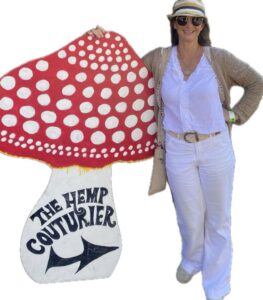
 Speaker: Mel Smith, Functional Food Educator | Nervous System & Plant Research Enthusiast
About: Amanita muscaria is Not the Villain – Ignorance Is. Notice the pattern. A headline appears. Emergency room visits, deaths mentioned, alarming symptoms in bold. The red-capped mushroom returns to the spotlight – suspended once again between folklore and fear. The implication is familiar: reckless, dangerous, another wellness trend gone too far. And yes, some caution is warranted. Use has risen rapidly. Unscrupulous people are blending Amanita with dangerous compounds. Some online voices advocate extreme doses. Some treat it like a psychedelic thrill ride rather than a biologically active organism that deserves respect.
But is that the whole story — or just the loudest part? When the spotlight shines only on worst-case outcomes, nuance collapses. Education is replaced with alarm and understanding gives way to fear. If you’ve watched cannabis reform unfold, you recognise this rhythm: panic, exaggeration, selective reporting – and eventually, after decades, a return to evidence and context. Amanita now stands at that early stage. This isn’t mystical folklore. Amanita has measurable effects on the nervous system, particularly in how the body regulates stimulation and rest — and that matters in a culture that rarely rests. Yet we live in a society that often bans first and studies later, where politics can move faster than research and decisions are made before the conversation has matured. This does not mean Amanita is harmless. It is not. But neither are many substances legally available over the counter – painkillers, sleep aids, alcohol, prescription medications – all with well-documented risks, some far more severe than those associated with moderate Amanita exposure.
So, what’s the difference? Familiarity. We accept some risks as normal and label others alarming. Context matters. When extreme cases become the only reference point, fear fills in the rest.
Now consider the current cultural backdrop. We live in chronic overdrive. Burnout is normal, sleep is fractured and “coping” is praised as resilience. The people I speak with are not seeking hallucination. They are seeking quiet. They are high-functioning, exhausted, alert even at rest and the appeal of something described as grounding is not escape. It is relief from the constant hum. None of this justifies hero dosing or dismisses genuine adverse events. But sensational framing prevents a mature conversation about proportional risk and responsible education. What if we responded with literacy instead of panic? What if we measured risk consistently rather than emotionally? Amanita muscaria is not harmless. But neither is it the caricature headlines suggest. It demands respect, context, and informed dialogue.
The real danger is not the mushroom. It is what happens when fear outruns understanding. The question isn’t whether Amanita is powerful. The question is whether we are mature enough to discuss its power responsibly.
Bio: Mel Smith is a functional food enthusiast and independent researcher with a particular interest in the intersection of traditional plant knowledge and modern nervous system health. Her work with Amanita muscaria began not from rebellion or trend, but from curiosity. Why has this mushroom been so feared? Why are so many people quietly drawn to it? And what does the science actually say? Mel approaches Amanita muscaria with caution, respect, and a strong emphasis on education. She does not advocate extreme dosing or reckless experimentation. Instead, her interest lies in understanding how this ancient fungus interacts with the human nervous system — particularly in a world where overstimulation, anxiety, and burnout are increasingly common. Her presentations focus on myth versus mechanism, dose awareness, and the importance of responsible conversation. She aims to create space for thoughtful dialogue rather than sensationalism. At MardiGrass, she offers a grounded, balanced perspective on one of the most recognisable — and misunderstood — mushrooms in the world.